Trezor Login: The Ultimate Guide to Secure Crypto Access
Your step-by-step journey into the world of safe, private, and effortless cryptocurrency management using Trezor’s login ecosystem.
🔐 What is Trezor Login?
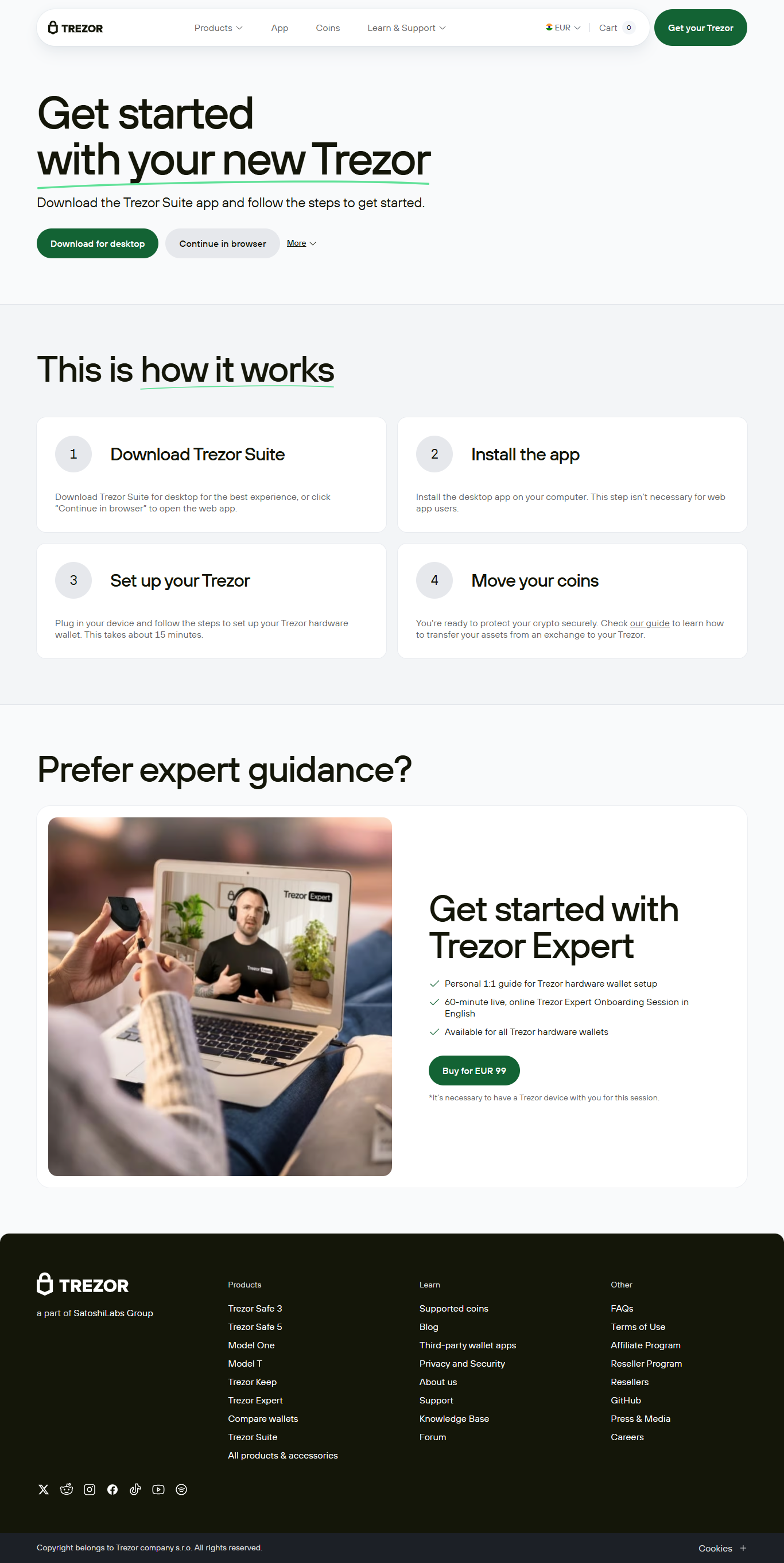
The Trezor login process is your gateway to accessing digital assets through hardware-level security. Developed by SatoshiLabs, Trezor hardware wallets integrate a zero-trust model—ensuring your private keys never leave your device, even while managing your assets online. Whether you’re accessing Trezor Suite or connecting to a third-party app, the login system is designed to keep your funds out of reach from hackers, phishing attempts, or malware.
🌍 The Power of Offline Verification
Unlike conventional web-based wallets, Trezor doesn’t rely on browser-stored data or cloud servers. Each login uses cryptographic confirmation—you verify transactions directly on your device’s display, eliminating the risk of compromised credentials. Think of it as your personal vault key: only you can unlock it, and only through physical confirmation on the Trezor device.
💡 Why Trezor Login Is Different
- ✅ Device-based Authentication: Login approval occurs through your hardware device—not a browser session.
- ✅ PIN & Passphrase: Two powerful access layers—one for the device, one for wallet recovery or enhanced privacy.
- ✅ Open-Source Framework: Trezor’s transparency ensures the community continuously audits its safety mechanisms.
- ✅ Universal Compatibility: Works with Trezor Suite, Metamask (via Trezor Connect), and other DeFi tools.
🚀 Step-by-Step Guide to Trezor Login
Step 1: Connect Your Trezor Device
Use the original USB cable to connect your Trezor Model One or Trezor Model T to your computer. The system automatically recognizes your device through the Trezor Bridge software.
Step 2: Open Trezor Suite
Launch the Trezor Suite application. It provides a unified interface for portfolio overview, sending/receiving crypto, and performing firmware updates. You’ll be prompted to click “Connect Wallet” to begin the login process.
Step 3: Verify on Device
When prompted, confirm your PIN directly on the device. For Trezor Model T users, use the touchscreen; for Model One, the randomized number grid ensures your PIN remains hidden from keyloggers.
Step 4: Access Your Dashboard
Once verified, you’ll enter your dashboard—showing balance, assets, and transaction history. This is the moment your hardware wallet fully syncs with your suite environment, ensuring complete control under your physical confirmation.
🛠️ Troubleshooting Trezor Login Issues
Device Not Recognized?
Ensure Trezor Bridge is installed and updated. Try switching USB ports or cables. Avoid using USB hubs or wireless adapters for initial setup.
Incorrect PIN?
After each incorrect attempt, Trezor increases the time delay before retrying. Resetting the device wipes all data, so only do this if your recovery seed is securely backed up.
Firmware Update Required?
Outdated firmware can block logins. The Suite will automatically guide you through the firmware update process safely—never download firmware manually.
⚙️ Comparing Trezor Login vs Software Wallets
| Feature | Trezor Login | Software Wallet |
|---|---|---|
| Security | Offline hardware-based key storage | Online device-dependent storage |
| Access Control | PIN + Physical Confirmation | Password/Email authentication |
| Malware Resistance | Immune (air-gapped) | Vulnerable to phishing & keyloggers |
| Transparency | Open-source firmware | Closed ecosystem |
💬 Expert Tip
Always enable the passphrase feature—it acts like a 25th word to your recovery seed. Even if your seed is compromised, without this passphrase, your wallet remains inaccessible.
❓ Frequently Asked Questions
1. Can I log into my Trezor wallet without the device?
No. Your private keys are stored only on your hardware device. The Trezor login process requires physical confirmation, ensuring no online login method can replace it.
2. What’s the difference between Trezor.io/start and Trezor Login?
The Trezor.io/start page is for initial setup, firmware installation, and wallet creation. Trezor Login refers to accessing your existing wallet securely through Suite or third-party apps.
3. Is Trezor Login compatible with MetaMask?
Yes. You can integrate your Trezor device with MetaMask using Trezor Connect. This allows you to confirm transactions through your Trezor hardware for added security.
🔒 Final Thoughts: The Future of Safe Crypto Access
The Trezor login experience isn’t just a security feature—it’s the future of decentralized safety. As crypto adoption grows, your first defense lies in physical confirmation and transparency. Trezor bridges trust between human intent and blockchain integrity—ensuring that your crypto remains truly yours.